About
A documentary practice rooted in Chelsea.
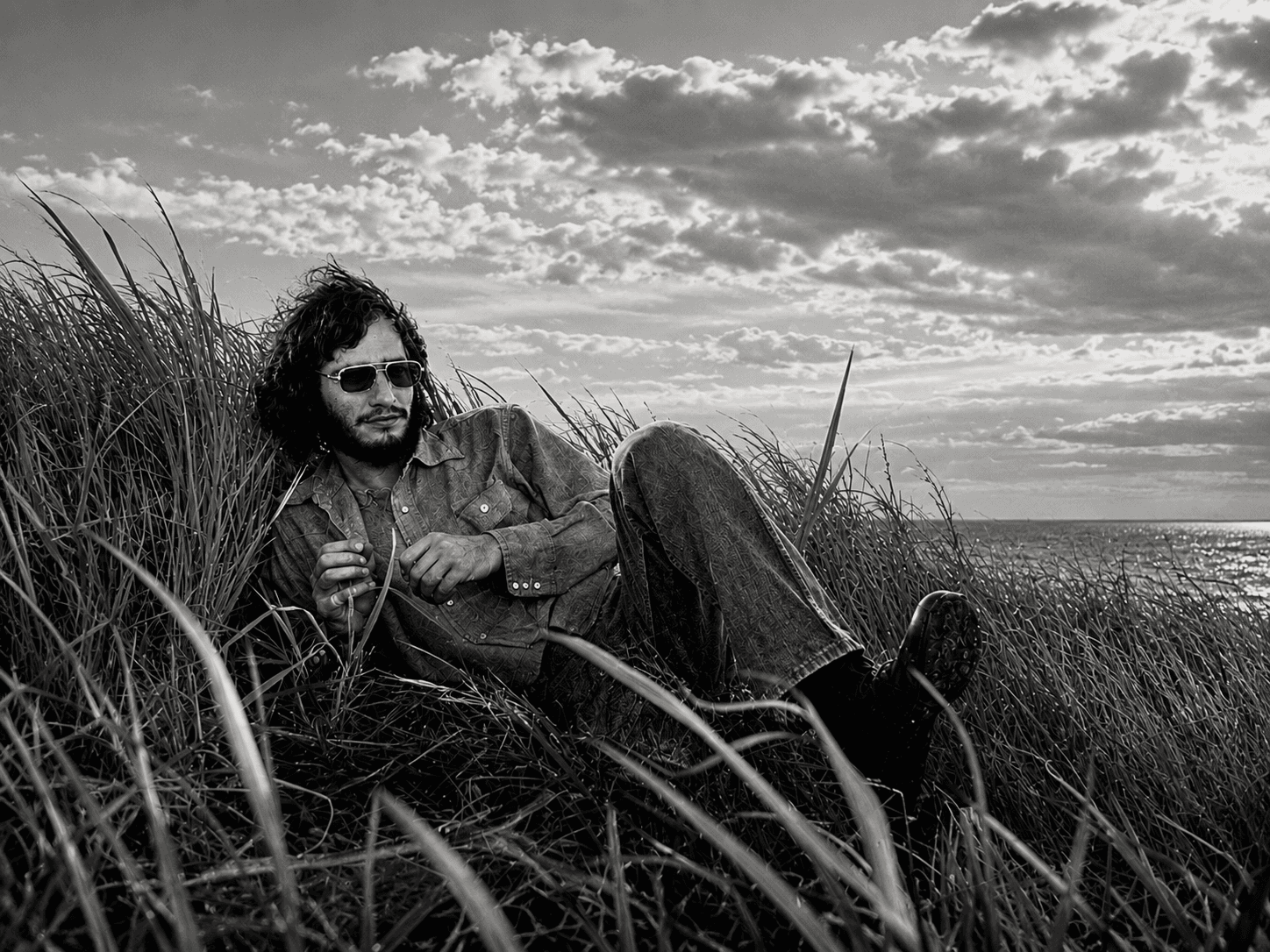
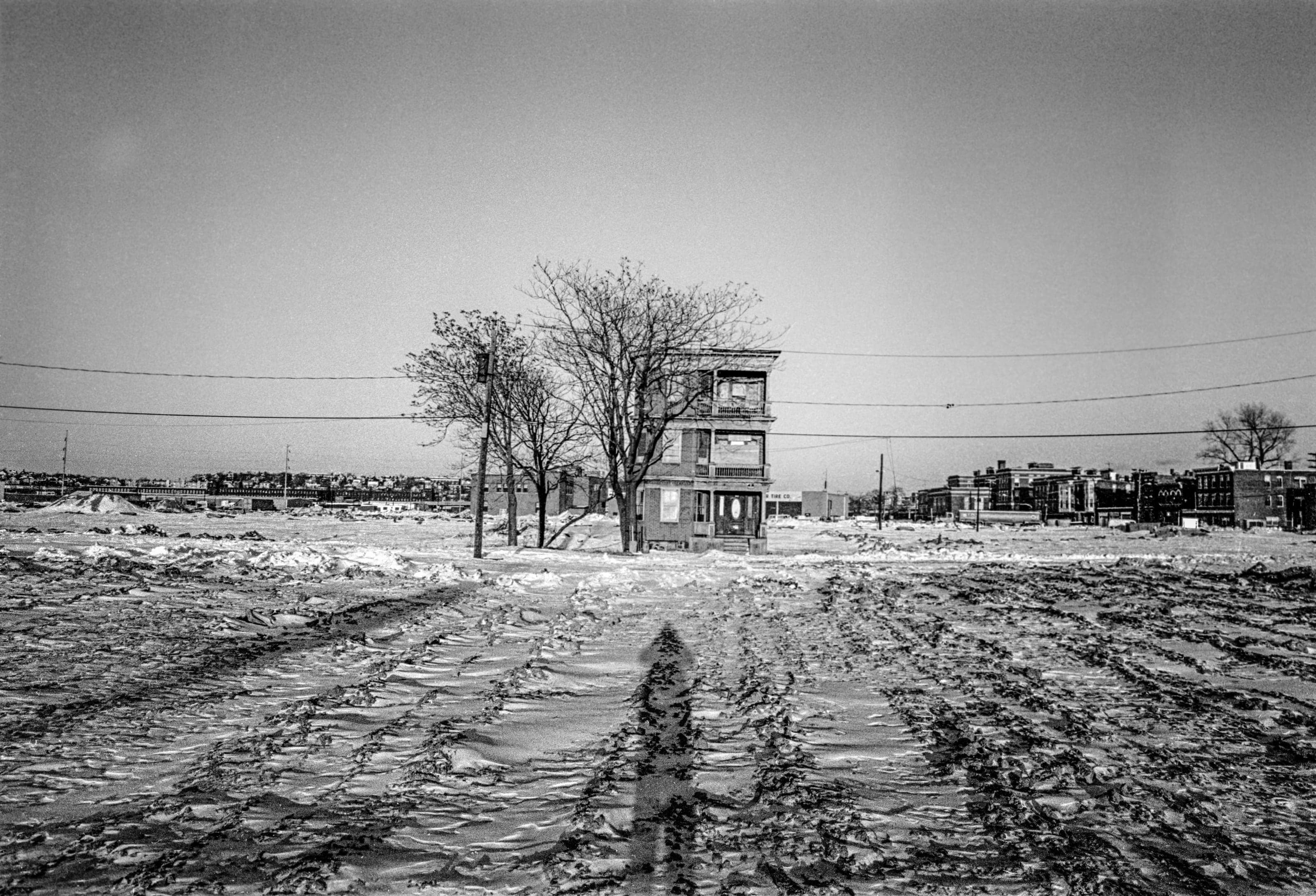
Arnie Jarmak, also known in institutional and newspaper records as Arnold Jarmak, is a documentary photographer whose work preserves people, neighborhoods, public life, and the changing texture of Chelsea, Massachusetts.
Documenting Chelsea from Within
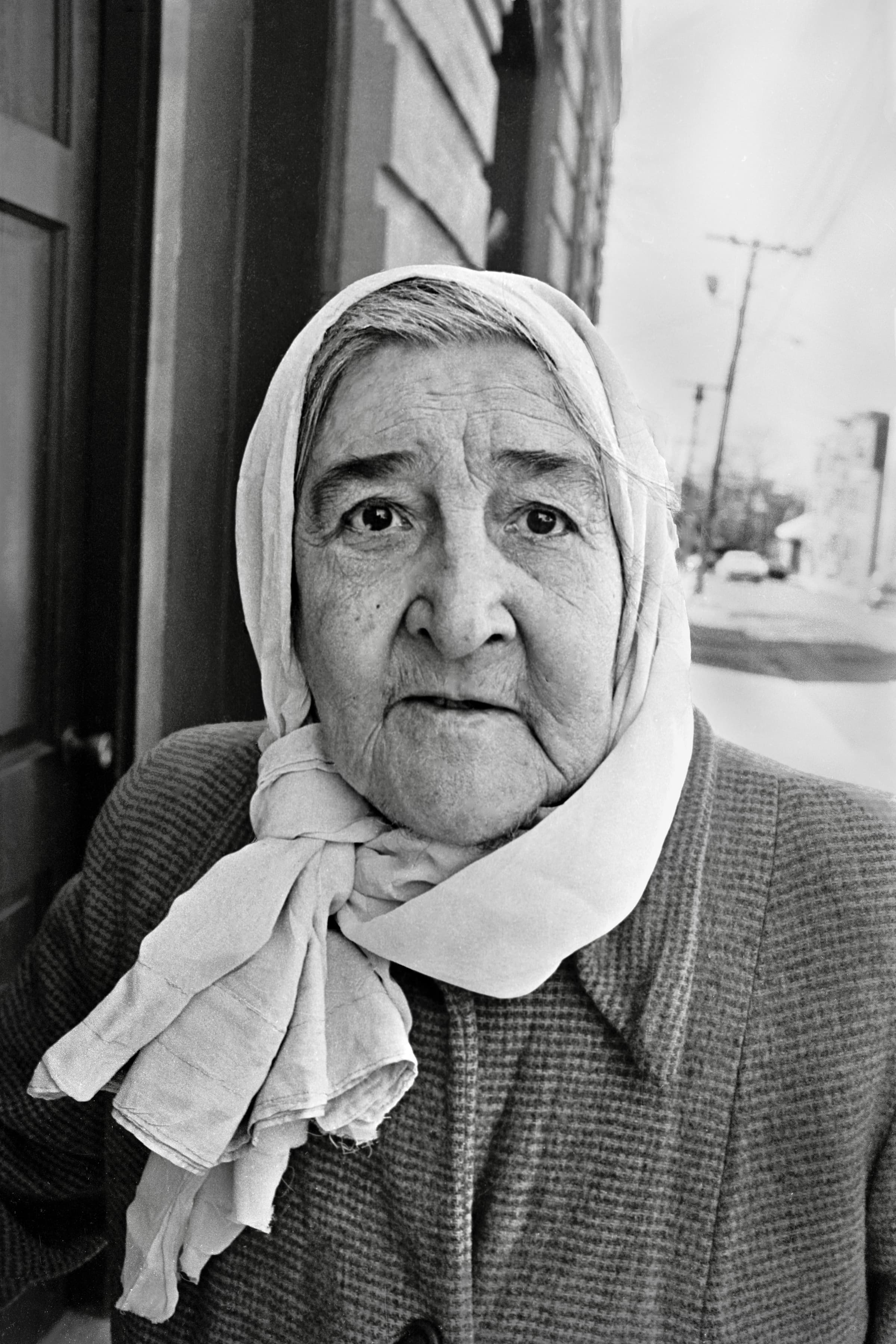
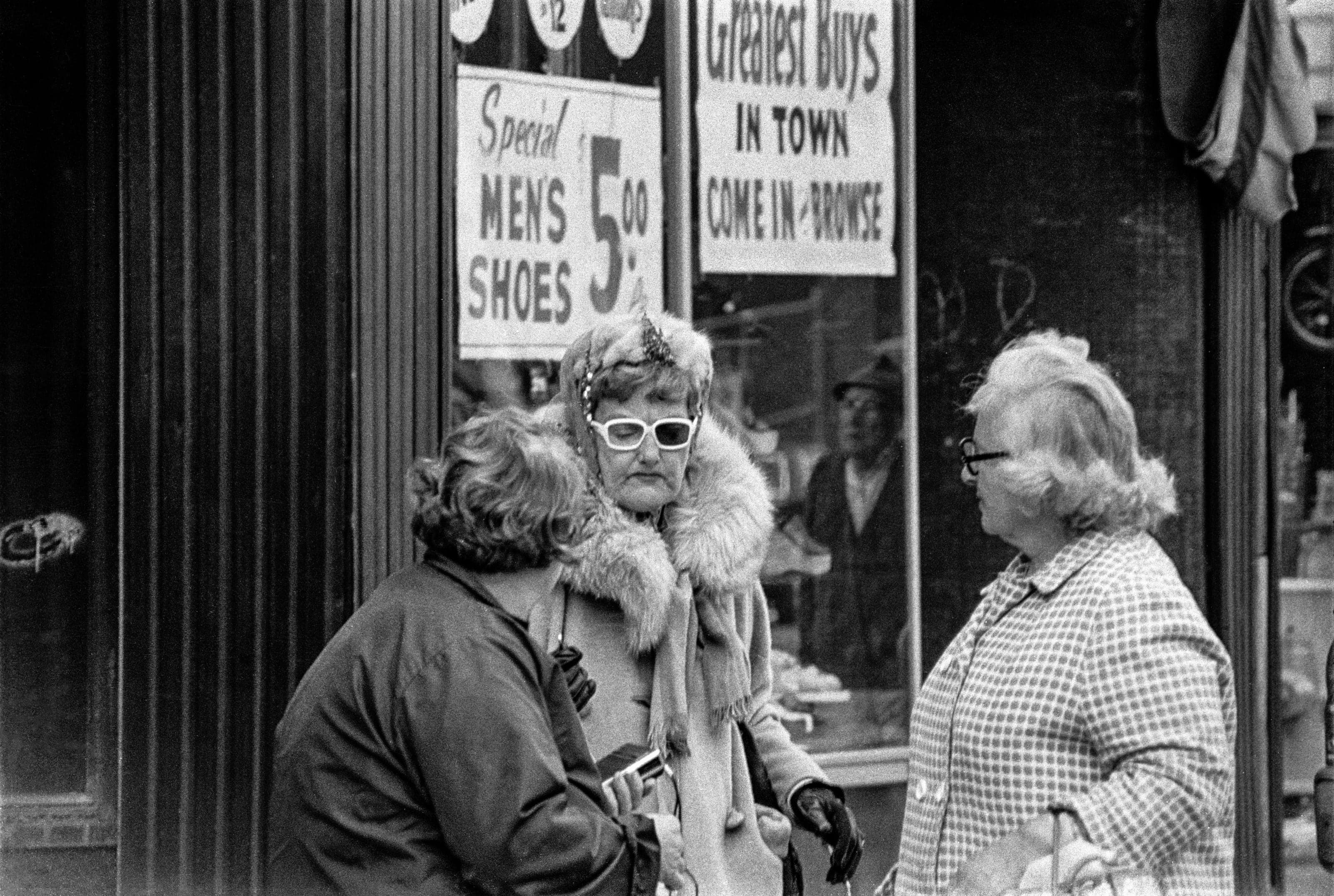
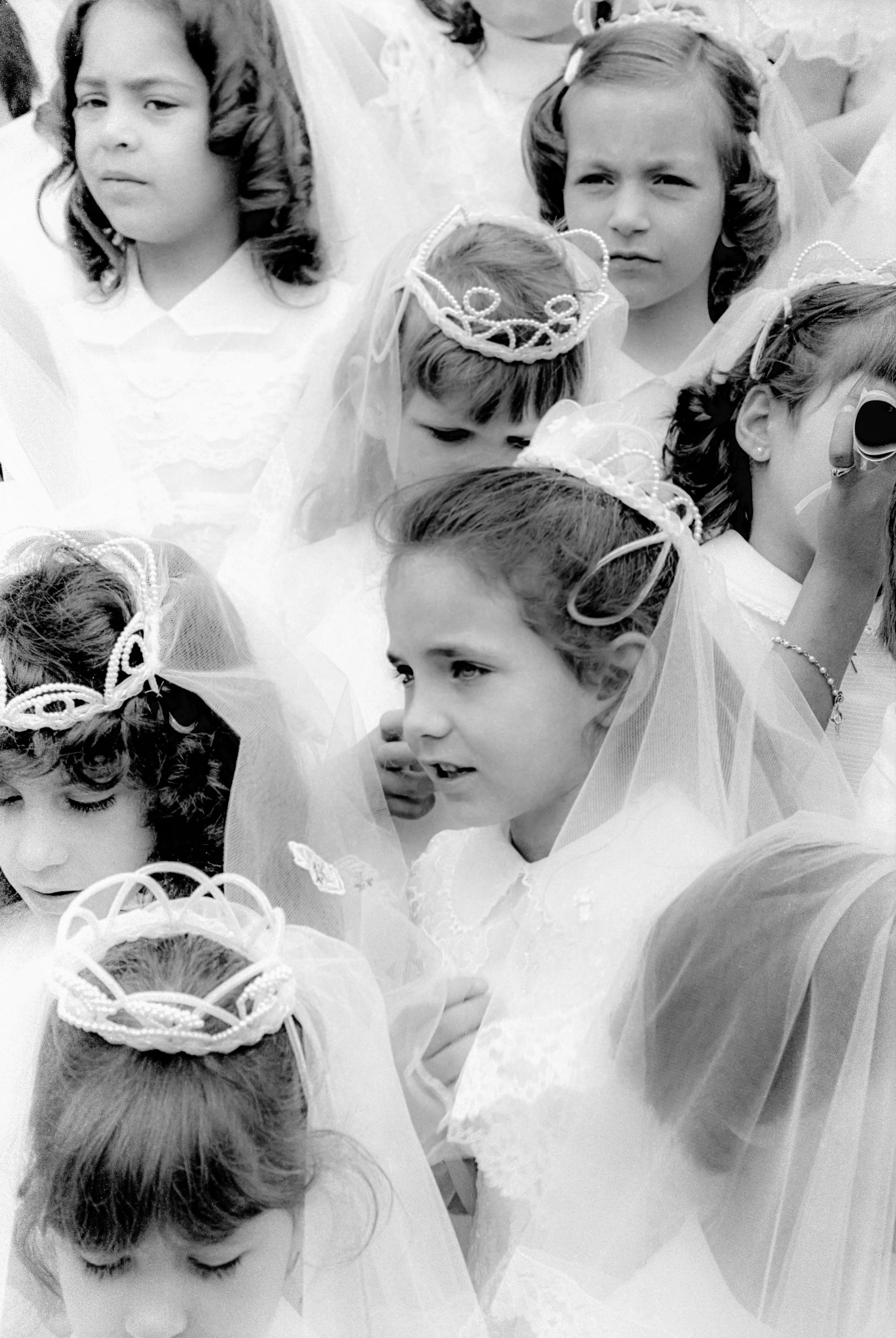
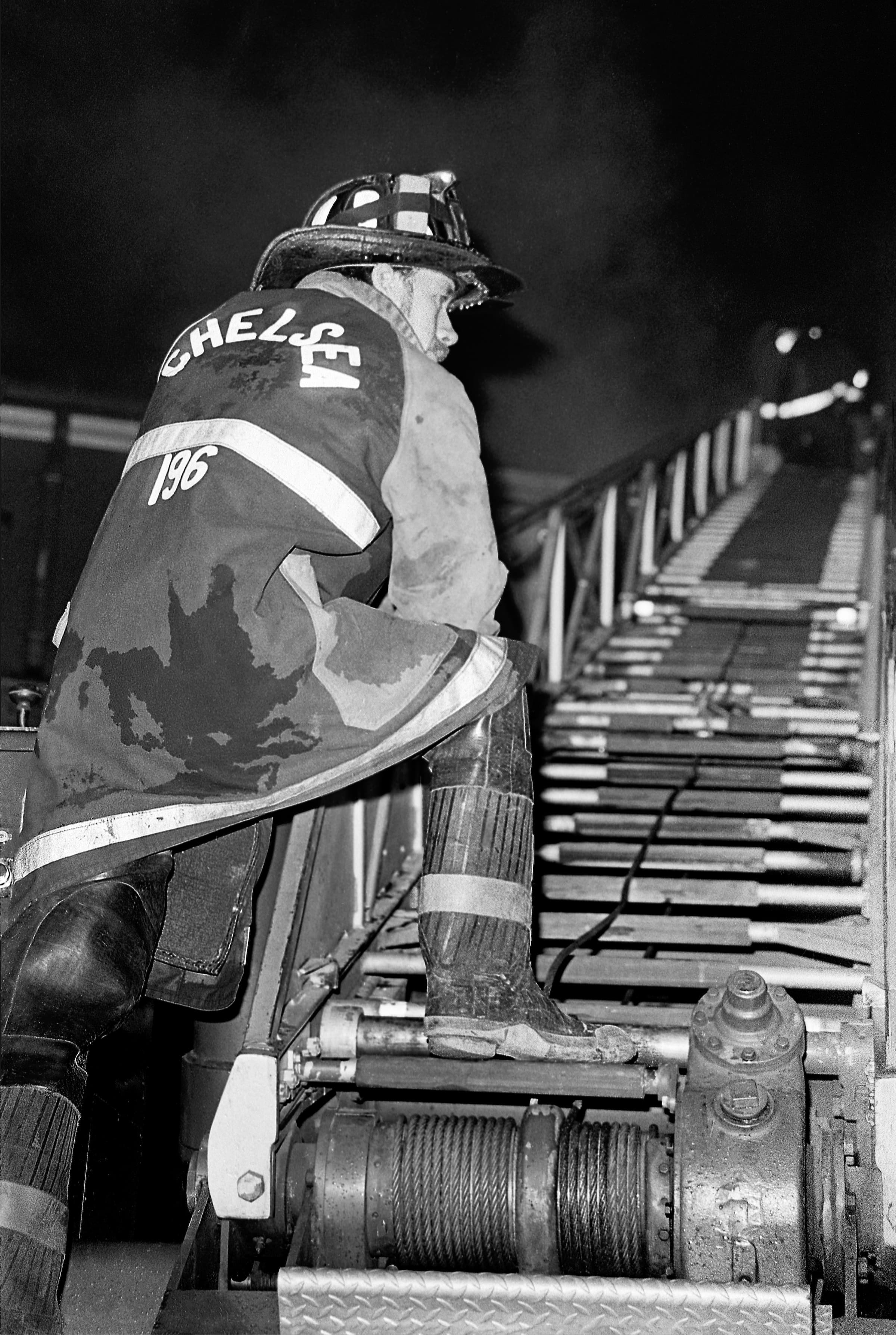
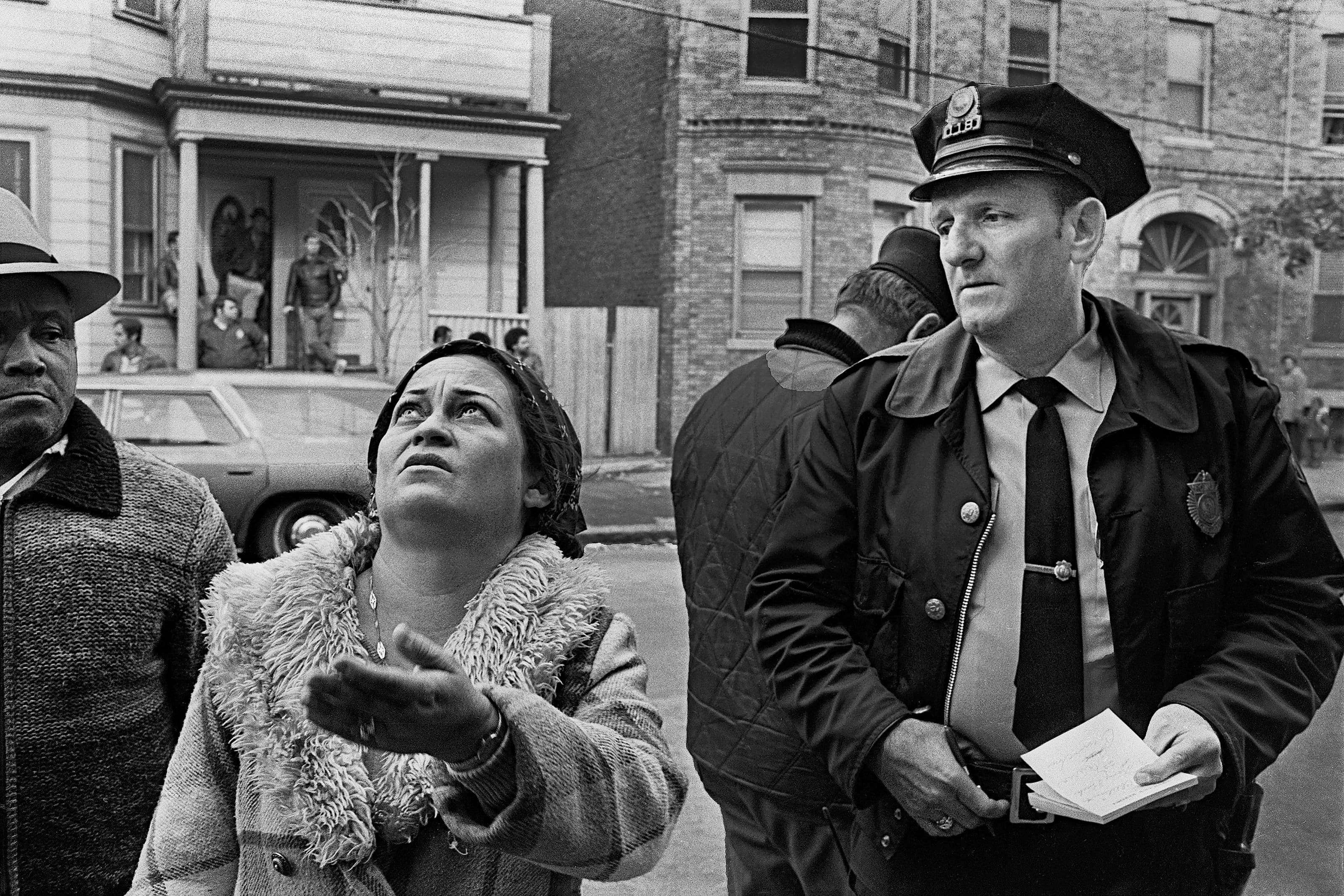
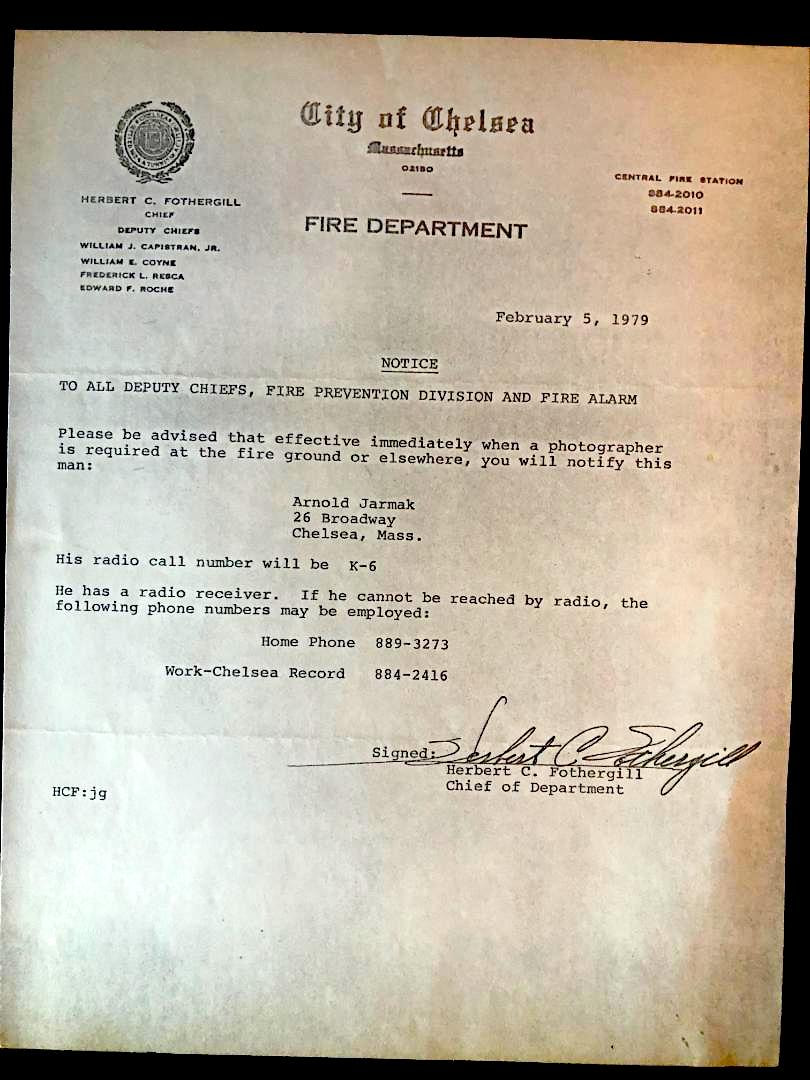
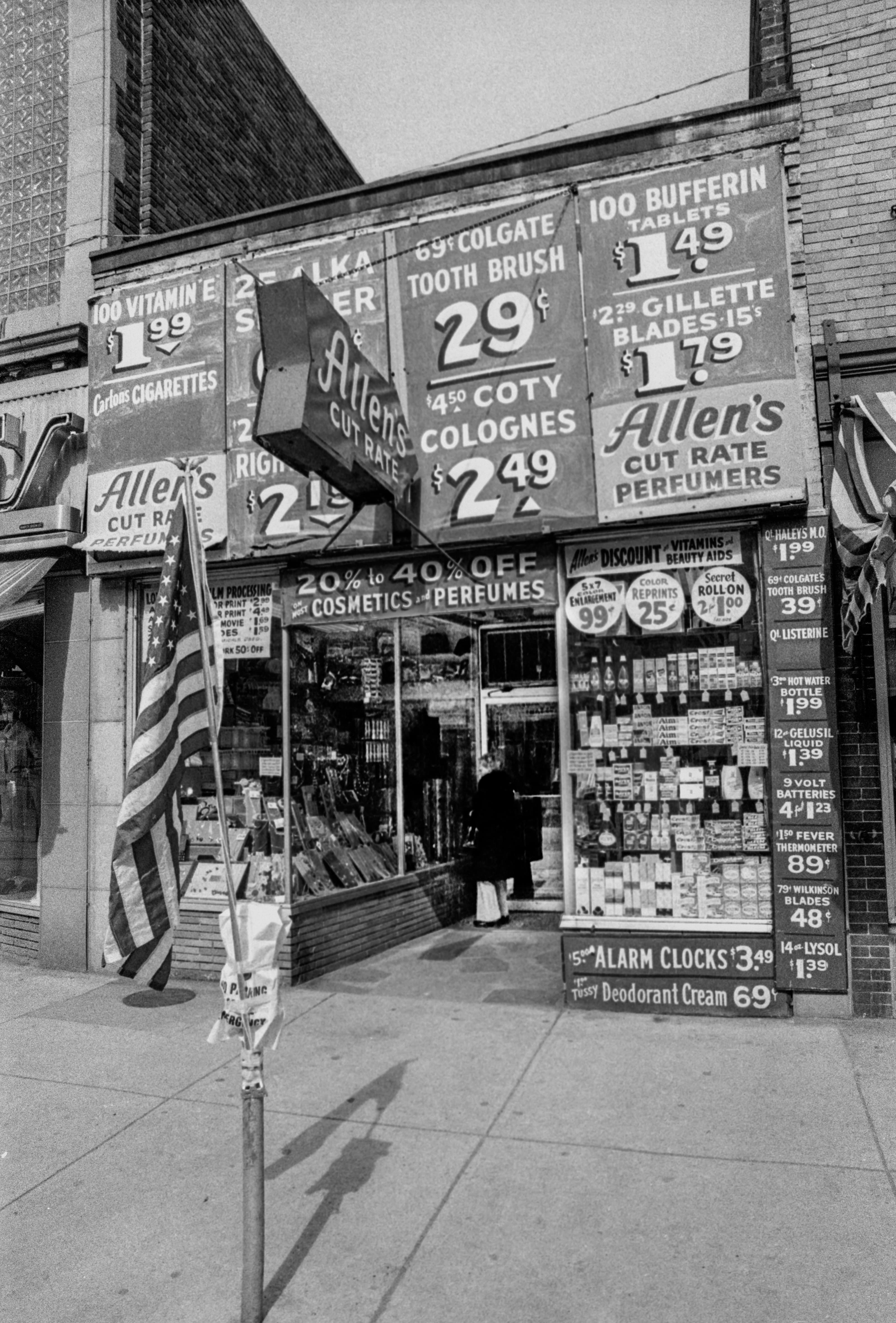
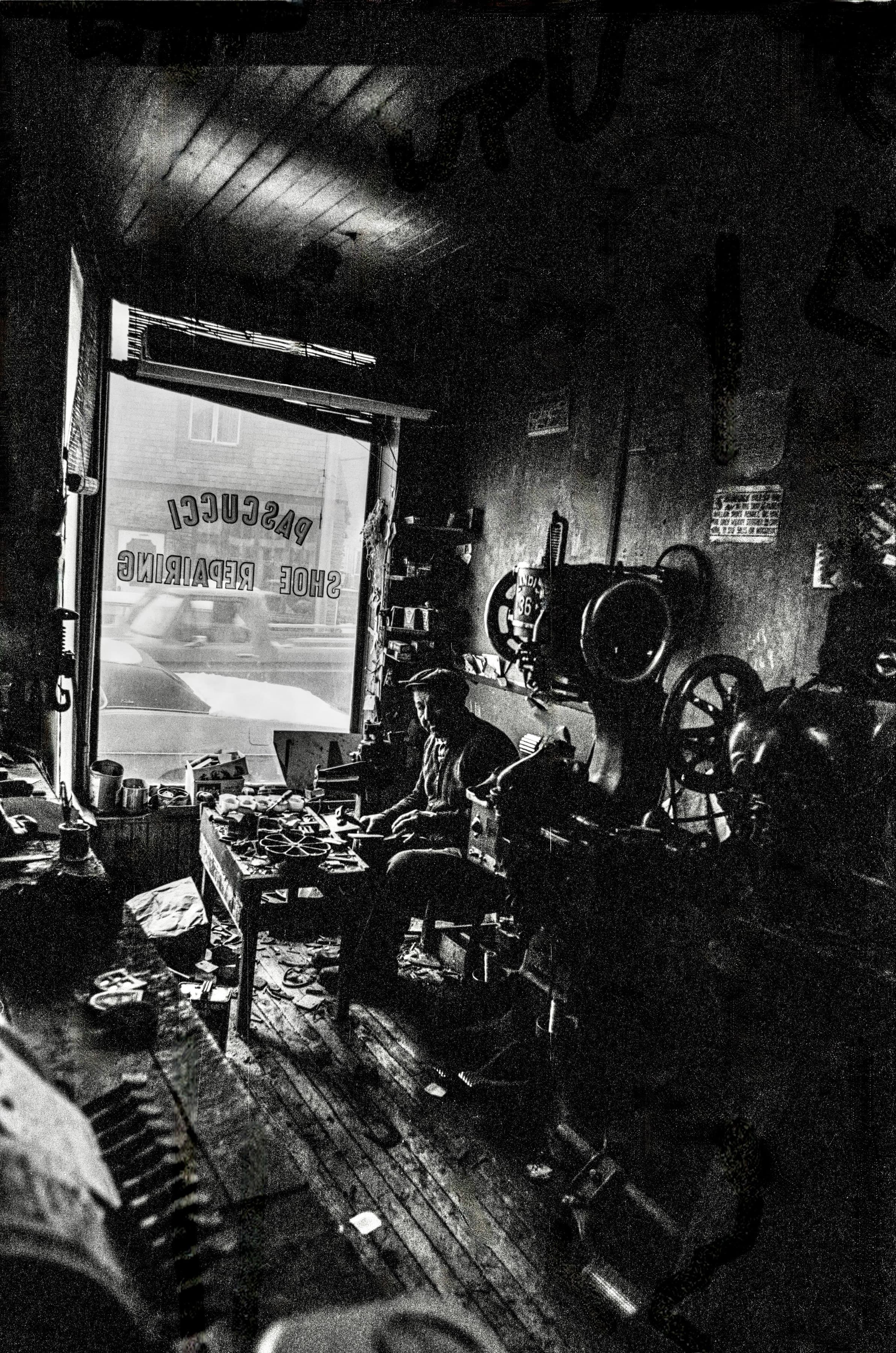
From 1977–1989, Jarmak worked as the Chelsea Record's chief photographer while living in Chelsea. The Chelsea Record gave Arnie unusual editorial freedom and access; the trust behind that access also came from consistently showing up. He was there on streets, in businesses, around children and elders, at public events, and when the fire department called.
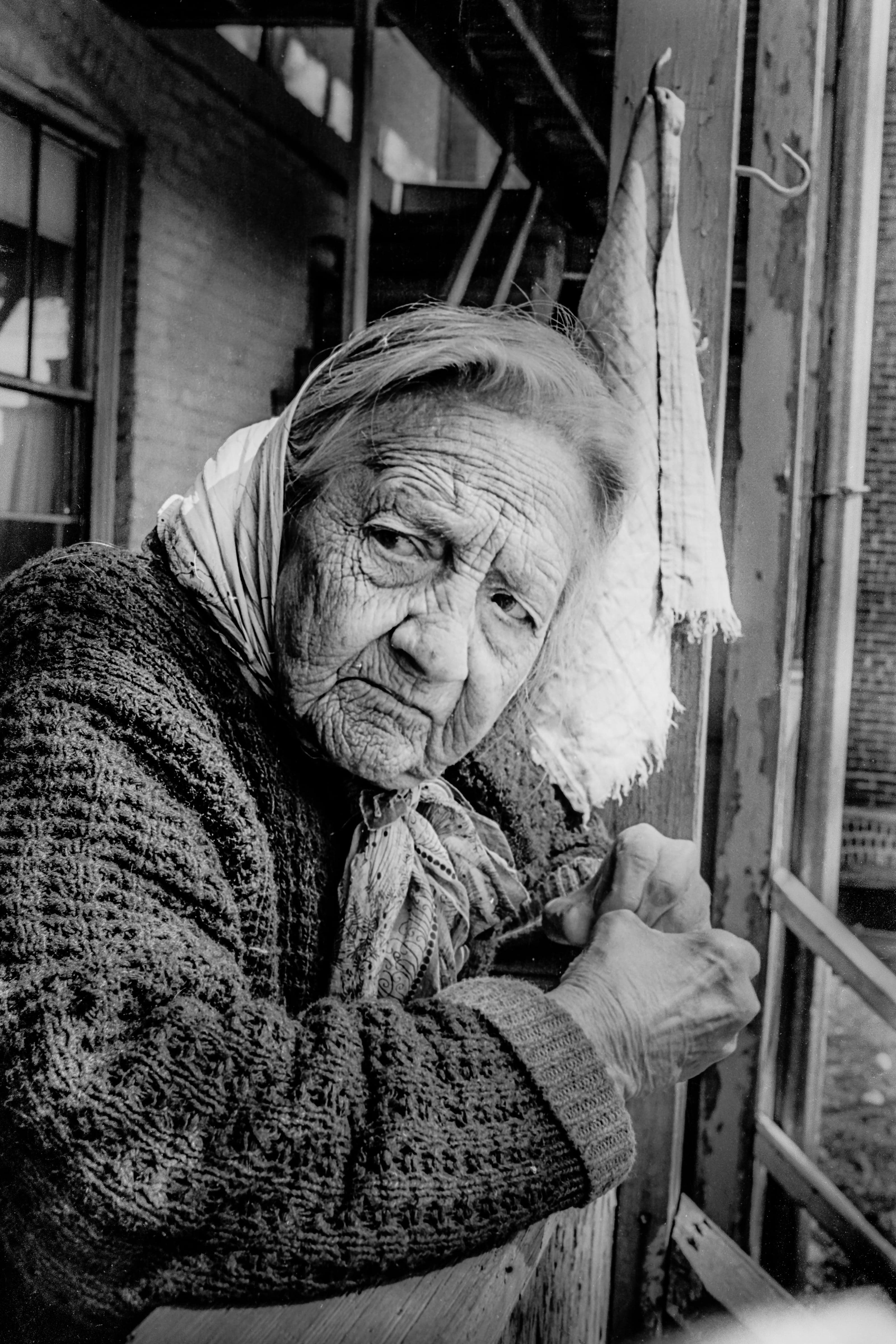
His photographs had appeared on the front page of 4,500 editions by the time he left the paper. He had also delivered copies to neighborhood stores. The museum describes long-standing relationships with many Chelsea subjects and a familiar, day-to-day presence that shaped the portrait work.
He describes a practice committed to everyday life, struggle, resilience, work, immigration, civic life, and the dignity of people represented fairly. The empathy he traces to his mother is part of how he approached the people in front of the camera.
The McMullen Museum presents the Chelsea photographs as a compassionate record of persistence and transformation, made without reducing residents to the crises around them. That reading echoes the trust Arnie built over years in Chelsea.
Influences and the 8 × 10 Camera
Arnie recalls Mathew Brady's Civil War photographs, encountered in a childhood book as an early spark and names Walker Evans, his most important photographic influence. History, economics, inequality, and difficult stories all inform photographs made with beauty and respect rather than distance.
He earned a BA in finance from Lehigh University in 1972, followed by later photography and economics study at the University of New Hampshire. His large-format work centered on a pre-1942 Deardorff 8 × 10 field camera bought for $200 from retired Lynn photographer George Garian and repaired and modified by the Deardorff brothers in Chicago. The McMullen Museum identifies a Nikon F 35 mm as the camera used for most photographs in the exhibition.
Arnie describes Chelsea as an extraordinary black-and-white environment, full of visual texture and beauty that outsiders often overlooked. Joshua Resnek compared the young Jarmak's eye and fervor to Eugene Atget in an earlier Chelsea Photographs essay.
Gloucester and the Sea
In Gloucester, Jarmak photographed the 1974 demolition of the Fishermen’s Institute and its retired fishermen. Ten of his black-and-white photographs entered Cape Ann Museum’s collection in 2019.
The museum connects Jarmak's early Fishermen's Institute photographs in Gloucester to the Cape Ann Museum collection.
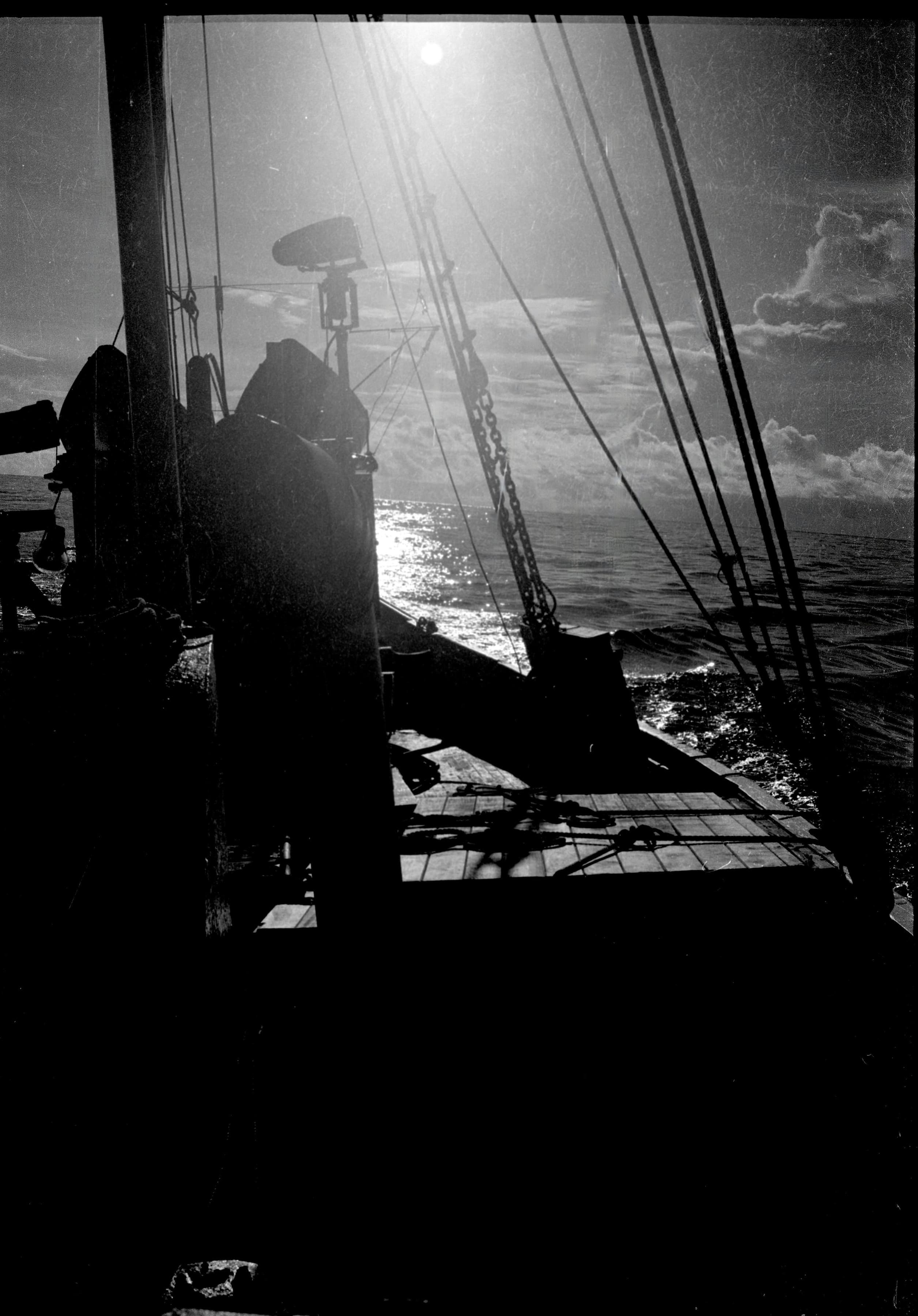
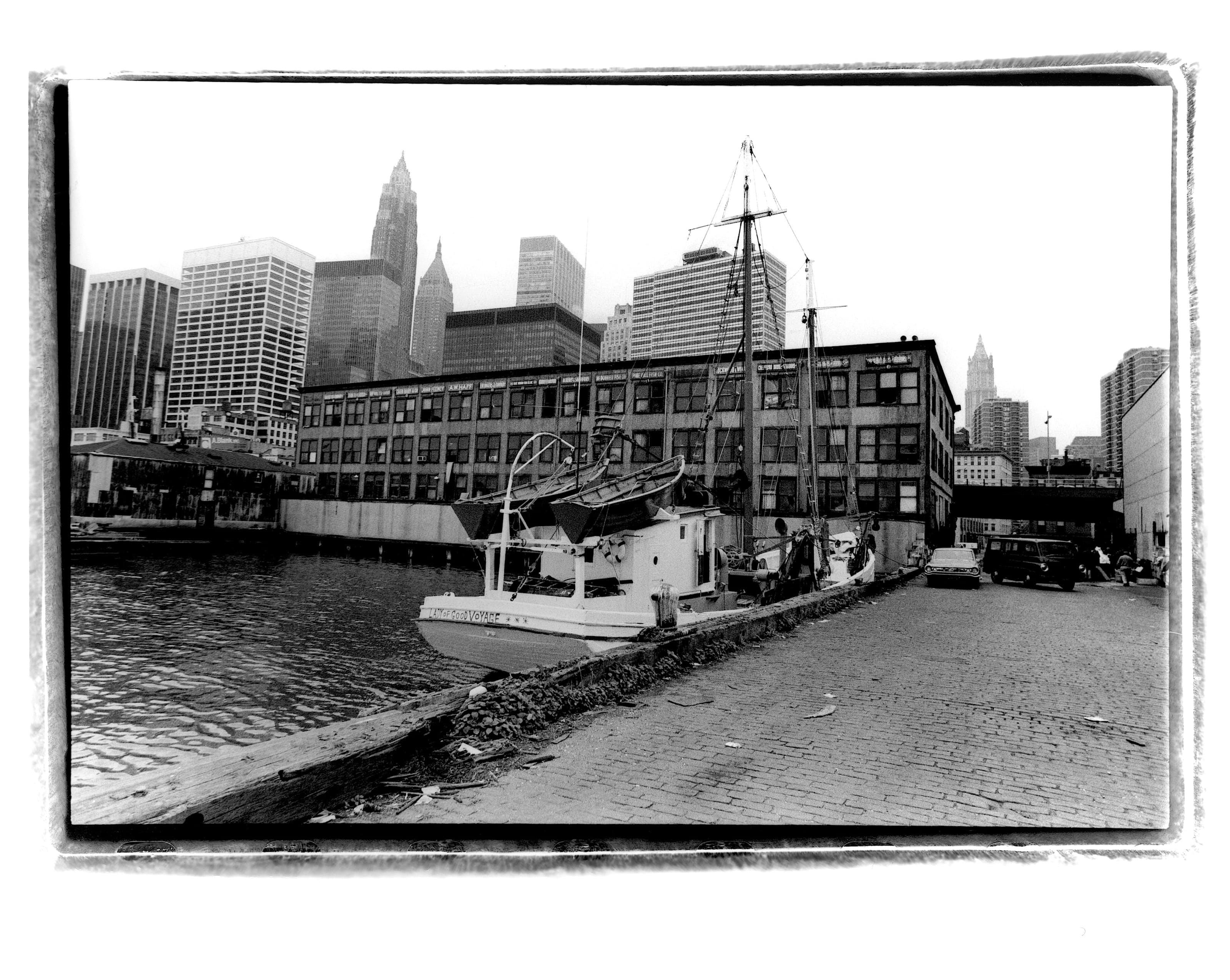
In 1974, he sailed aboard the Lady of Good Voyage from Gloucester toward Utila, Honduras, with Captain Joe Novello. Arnie recalls the 1974 voyage as a life-changing experience of freedom and adventure that made a conventional desk-bound life feel impossible.
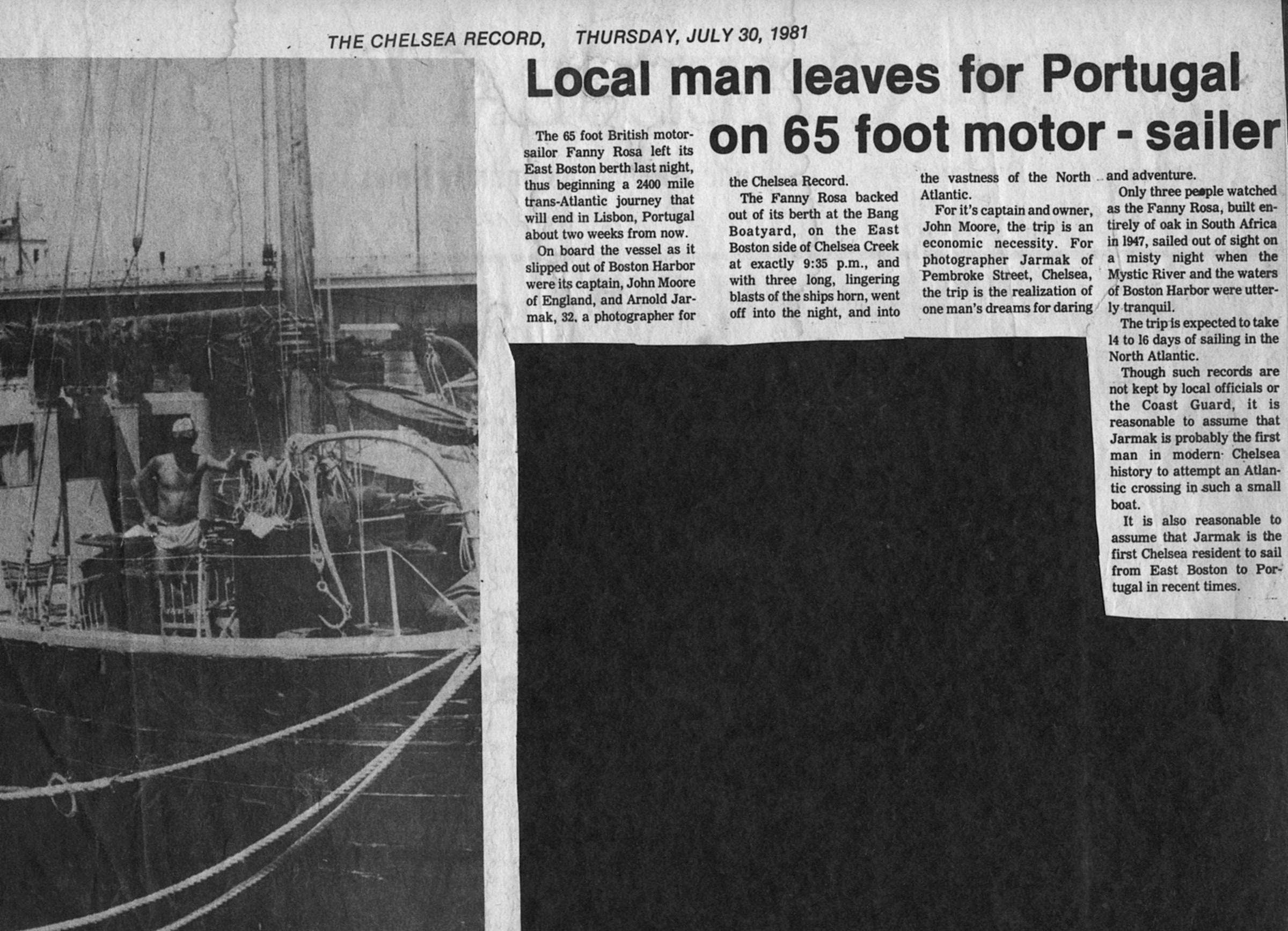
In 1981, he sailed aboard the 62-foot Fanny Rosa from Chelsea toward Portugal and Lisbon; the separate voyage preceded the 1982 Chelsea Public Library exhibition in London.
A Life Beyond the Frame
Photography remained at the center of Arnie's life, but it was never its limit. Friends have called him a Renaissance man: a photojournalist, sailor, adventurer, and advocate for giving old wood a new life.
Industrial-lumber salvage began in 1995, and the Jarmak Corporation formed in 1998. Years working with the Amish informed his approach to material reuse, industrial-lumber salvage, and architectural sustainability. For Arnie, the responsibility has remained the work itself and the people in it, rather than acclaim.
Opening the Archive
The archive holds more than 20,000 negatives, along with photographs and other material that remain to be preserved, understood, and brought back into public view. For Arnie, that work is a responsibility to the people and places that have disappeared.
According to the McMullen Museum, Boston Public Library is digitizing the archive of negatives represented in the exhibition. The museum situates the work within Chelsea's changing immigrant, industrial, religious, and neighborhood life, emphasizing both continuity and new arrivals.
The wider record includes the McMullen Museum of Art, Digital Commonwealth and Boston Public Library, Cape Ann Museum, and the recurring From the Photo Archives of Arnold Jarmak feature in the Chelsea Record.
Arnie notes that his photographs are held by the Chelsea Historical Commission.